
WHY?The risk of war is easing, oil prices are falling, but oil company stocks are rising.
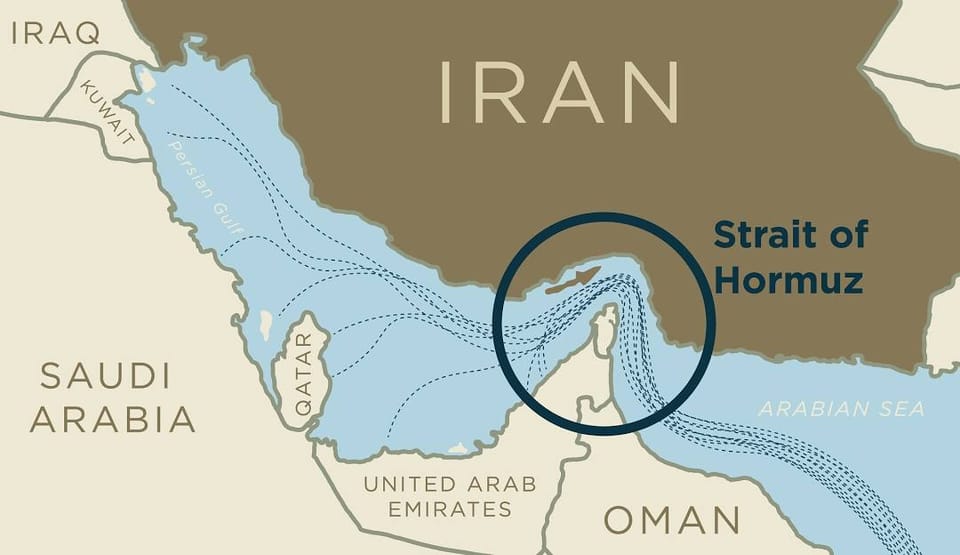
The simultaneous drop in oil prices and rise in oil stocks may seem contradictory, but in fact reflects the market's pricing logic across different dimensions.
1. Geopolitical risk premium "shifts" rather than disappears
The drop in oil prices is an immediate market reaction to news of a potential US-Iran peace proposal, squeezing out the short-term war premium that had been priced in. The rise in oil stocks, however, reflects the pricing in of the removal of "tail risks." During the peak of tensions, the market had priced in extreme scenarios such as destruction of oil facilities and disruption of shipping lanes. While such risks could drive oil prices higher, they also posed a threat to oil companies' physical asset values—potentially reducing them to zero. The emergence of a de-escalation signal means this kind of existential risk has significantly decreased, allowing the previous valuation discount on oil stocks to narrow.
2. Oil prices remain high, enhancing earnings certainty
Even after pulling back from panic-driven highs, if oil prices stay above $80–$90 per barrel—far above the breakeven point for most oil companies (typically in the $40–$60 range)—corporate profits remain robust. More importantly, with geopolitical uncertainty reduced, oil companies can more confidently plan capital expenditures and follow through on share buybacks and dividend commitments. For long-term investors, this translates into more reliable cash flow returns.
3. Macroeconomic and capital flow support
The US economy is currently showing signs of stagflation (weakening PMI data and persistent inflation), putting pressure on high-valuation tech stocks and driving capital toward defensive positions. As one of the few sectors capable of maintaining strong earnings in a high-inflation environment, energy stocks have become beneficiaries of this capital rotation. Additionally, energy stocks have recently formed an upward trend, with market sentiment and momentum effects further supporting share prices.
In summary, while the risk of war is easing, the prospect of oil prices returning to pre-war levels has not yet fully materialized.
In me the tiger sniffs the rose.