
Troubles in private credit continue to escalate
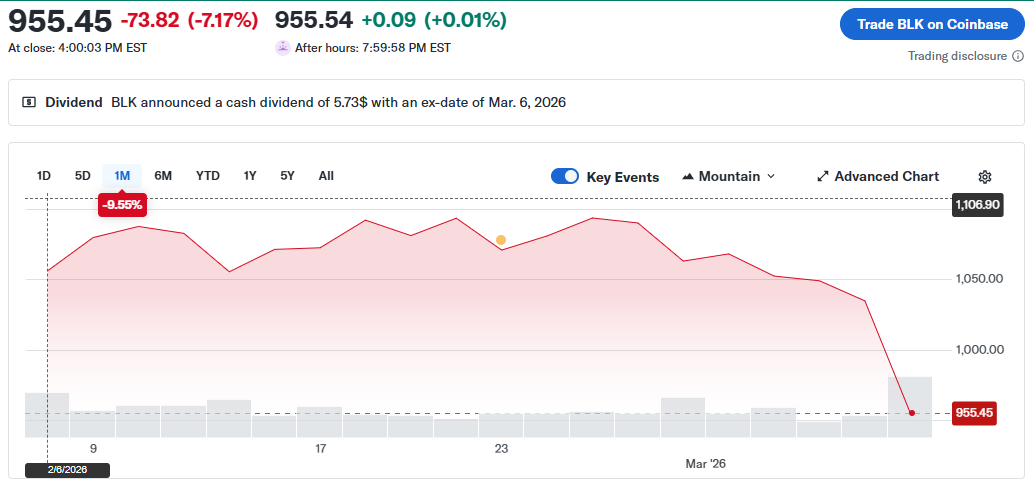
BlackRock and Blackstone Limit Redemptions as Private Credit Withdrawal Requests Surge
NEW YORK (March 6, 2026) — The "shadow banking" sector faced a fresh wave of turbulence today as BlackRock, the world’s largest asset manager, announced it has limited withdrawals from its flagship HPS Corporate Lending Fund (HLEND). The move comes as investor demand to exit private credit markets reaches its highest level since the 2008 financial crisis.
The "Gate" Comes Down
BlackRock reported that for the first quarter of 2026, it received repurchase requests totaling approximately $1.2 billion, representing roughly 9.3% of the fund’s net asset value. Following the fund's structural guidelines, BlackRock enforced a 5% quarterly cap, fulfilling only about $620 million of those requests. This "gating" mechanism is designed to prevent a fire sale of illiquid loans, but it signals growing anxiety among high-net-worth investors.
A Sector-Wide Trend
BlackRock is not alone in its struggle to balance liquidity. Earlier this week, Blackstone faced similar pressures with its $82 billion BCRED fund.
Blackstone (BCRED): Received withdrawal requests totaling 7.9% of assets. In a strategic move to maintain market confidence, Blackstone's board temporarily raised its redemption cap from 5% to 7%, supported by a $400 billion liquidity injection from the firm's own balance sheet.
Blue Owl Capital: Recently moved to permanently restrict redemptions on one of its retail-oriented credit vehicles after being forced to sell a $1.4 billion loan portfolio to insurance companies to raise cash.
The Root of the Crisis: The "Liquidity Mismatch"
The current crisis stems from a fundamental structural flaw: these funds offer monthly or quarterly liquidity to investors, yet the underlying assets—loans to mid-sized private companies—are highly illiquid and cannot be sold quickly.