Surviving the Age of Contraction — From "Debt" to "Real Value"
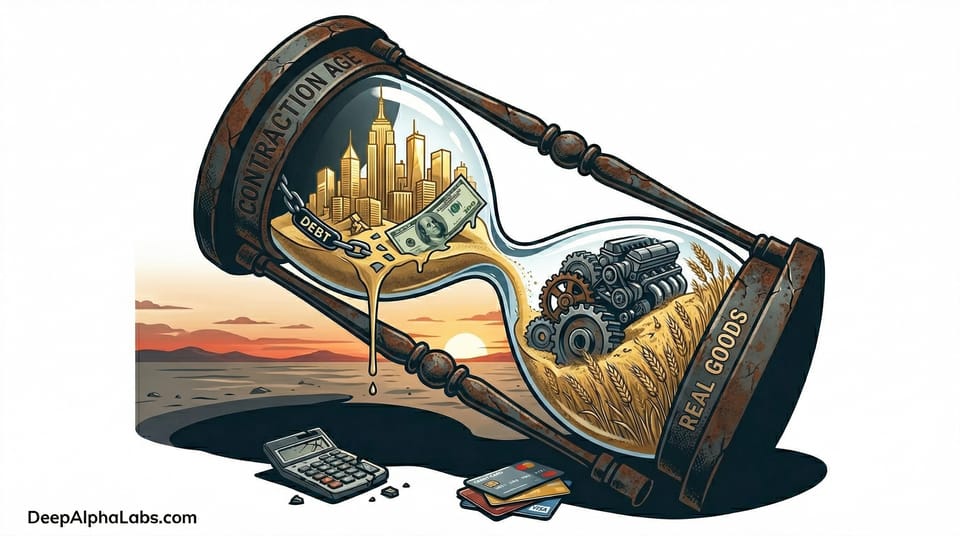
In 2026, we are learning that we can no longer grow the economy by simply borrowing from the future.
1. The End of the Illusion
For decades, we lived in an era of "Cheap Money." With interest rates at 4.5% and oil at $115, that era is over.
- The New Reality: This isn't just a temporary problem; it is a global re-pricing of reality.
- The Lesson: In the future, the winners won't be those who are best at borrowing money. The winners will be those who control "Real Things"—energy, food, and essential technology.
2. The Return of the Skill: Redefining Success
In 2026, the definition of a "successful career" is changing.
- The Shift: As AI starts to do the work of office employees and analysts, people who can work with their hands—like master technicians—are becoming the most valuable.
- The Advice: In a world full of digital noise, the ability to build and fix things in the physical world is the most stable currency you can have.
3. A New Global Order: Resilience Over Growth
Whether it’s a crisis in a distant strait or a new brand of high-performance motorcycles, the message is clear: the world is becoming more diverse.
- The Insight: We don't need to argue about who is right or wrong. We only need to see who is more resilient. In a time of constant change, being able to survive a storm is more important than moving fast.
4. 2026: A Message to Those Moving Through the Fog
This is the end of our series, but the beginning of a new way of thinking. We cannot change the interest rates or the price of oil, but we can change how we see the world.
- Conclusion: The engine may be broken, but life goes on. Saying goodbye to fake wealth and embracing real value is the best gift 2026 has given us.
In me the tiger sniffs the rose.