2026 Flashpoint: Seven Days of Blockade, Global Economic "Cardiac Arrest," and the Great Logic Reset
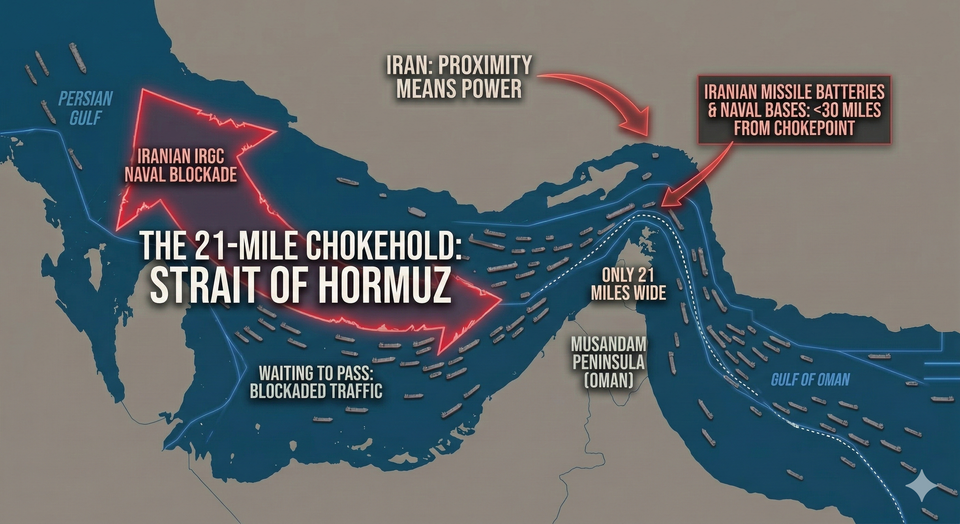
In early March 2026, as the first missiles crossed the Strait of Hormuz, the decade-long era of "low volatility" came to a violent end. Within just seven days, transit volume through the world’s most vital energy chokepoint plummeted by 65%. This tightening of the global energy jugular is triggering an unprecedented restructuring of the global economic order.
Amidst the noise of conflicting geopolitical signals, there is only one variable that investors must watch with absolute focus: The Price of Oil.
1. Oil: The "First Mover" of Macroeconomics
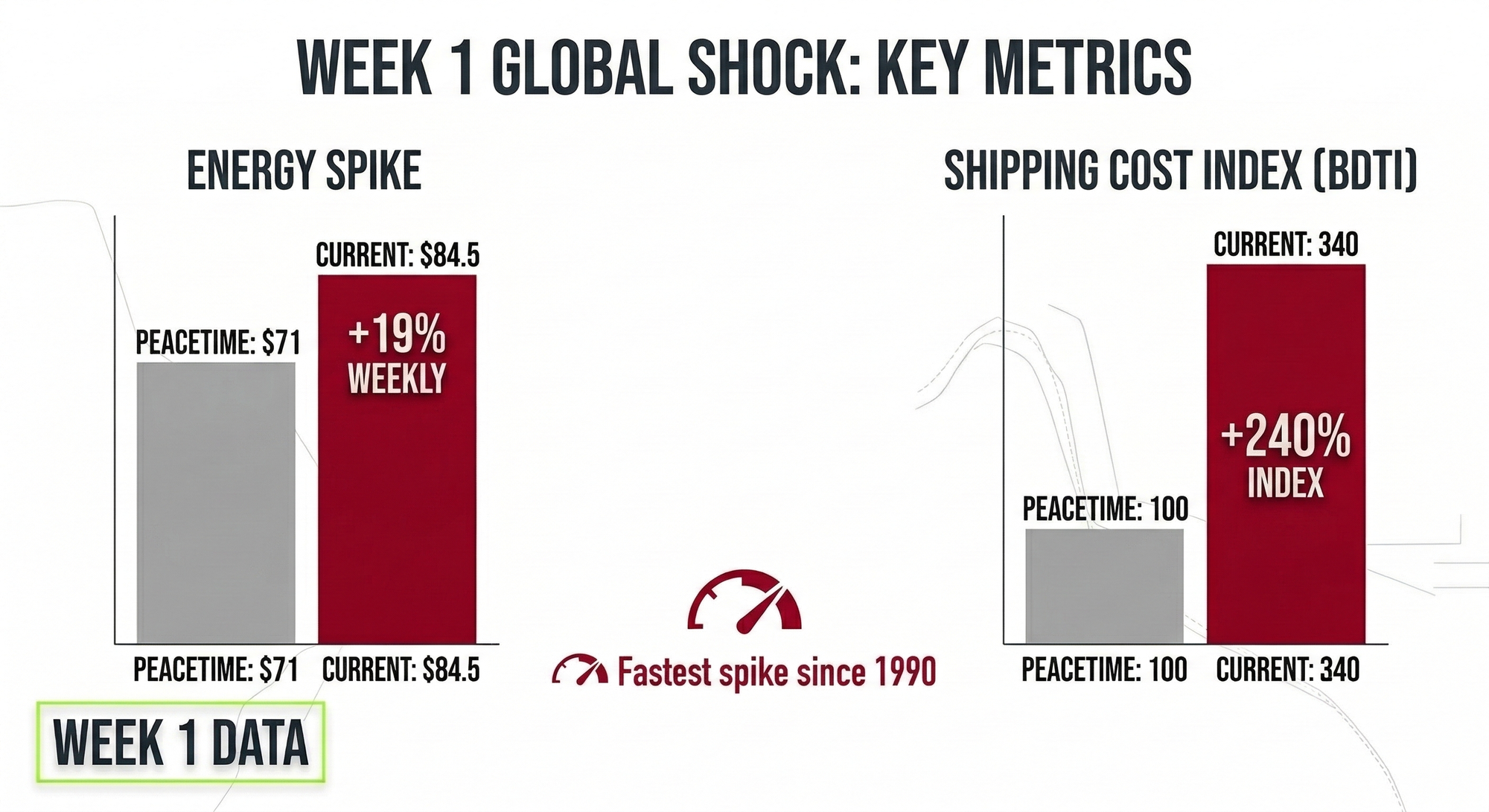
Oil price fluctuations do more than just change the digits at the gas pump; they define the very color of global inflation. This week, Brent Crude surged to $84.50/barrel, a 19% weekly spike—the fastest since the 1990 Gulf War.
Why is Oil the core signal?
- Closing the Door on Rate Cuts: Rising oil prices push PPI and CPI higher, almost single-handedly dismantling the Fed’s previous plans for a March rate cut.
- The Multiplier Effect on Logistics: Global shipping costs (BDTI) soared 240% in a week. Surging energy prices mean the baseline cost for every container and every mile of freight has permanently shifted higher.
2. Liquidity Trample: When Safe Havens Aren't Safe
The most bizarre market phenomenon this week was the synchronized collapse of Gold, Bitcoin, and U.S. equities. The traditional "Safe Haven" logic failed, replaced by the cold, hard reality of Liquidity Logic.
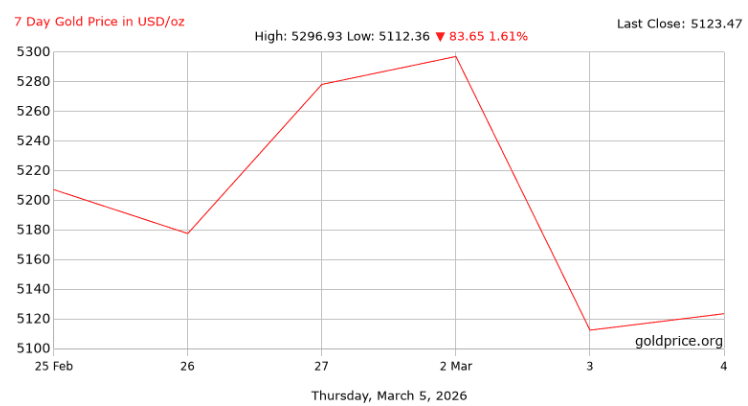
As oil-driven inflation expectations sent Treasury yields skyrocketing, global institutions were forced to cover margin calls on crashing equity portfolios. To do this, they liquidated their most profitable and liquid assets—Gold and Crypto—to grab US Dollars. In this phase, Cash (USD) is the only true sanctuary.
3. AI-Lagflation: Inflation Ignited by War
Goldman Sachs’ theory of "AI-Lagflation" was validated this week.
- The Power Curve: AI is a "power-hungry beast." Energy shortages directly inflate the operational costs of Tier-1 data centers.
- Supply Chain Choke: War-related shipping delays caused the implicit cost of high-end chips to rise by 8% in just seven days. We are now in a strange loop: Rising oil prices make AI more expensive, and the high cost of compute further raises the operational floor for every industry on earth.
4. 2026 Investment Playbook: From "Efficiency" to "Certainty"
The underlying logic of global supply chains is undergoing a profound transformation. For the next thirty years, the world will shift from chasing "Extreme Efficiency" to chasing "Extreme Certainty and Security." This does not necessarily mean investing in war machines, but rather in the hard assets that keep an economy running during chaos.
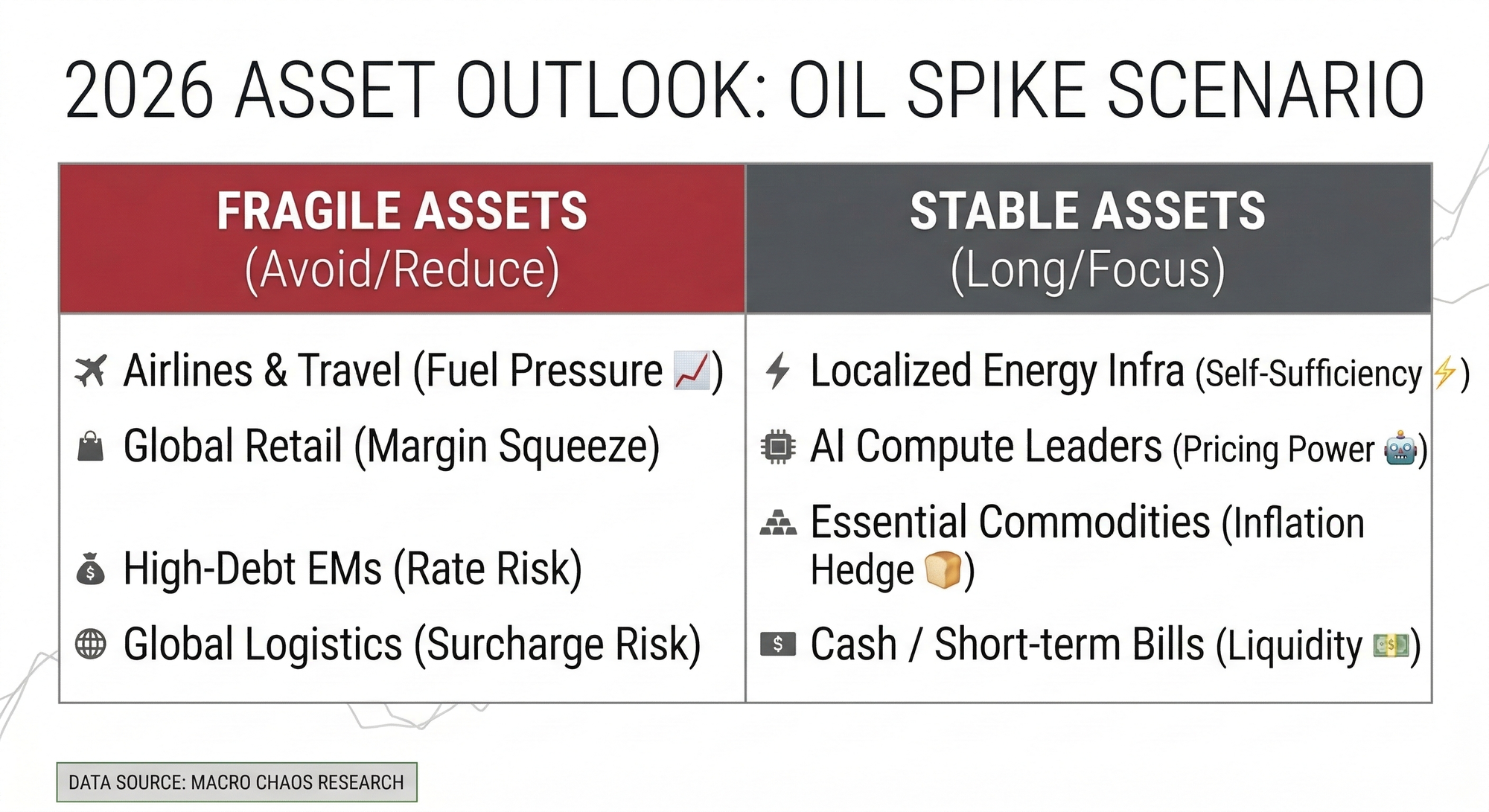
Core Observation Points & Allocation Logic:
- The Barometer: You must monitor oil prices relentlessly. If Brent breaks the $100 mark, the world officially enters a "Stagnation" zone, and the possibility of renewed rate hikes returns to the table.
- The Long View (Certainty Assets): Focus on Localized Energy Infrastructure (off-grid power, storage) and AI Compute Infrastructure with high pricing power. These are the prerequisites for any future economic recovery.
- The Short View (Fragile Assets): Stay cautious of fuel-sensitive Airlines, traditional Retailers reliant on cheap global supply chains, and debt-heavy Emerging Markets facing interest rate shocks.
Conclusion: In this era of upheaval, the price of oil is the world’s true pulse. It dictates the purchasing power of currencies and the cost of technological progress. By understanding the transmission path of oil, you see the real logic of capital in 2026. Keep a close eye on oil price fluctuations; they impact almost every meaningful economic indicator.